2 Aug 2012

BIKE ZONE


2012 Honda CBR150R vs Yamaha R15 v2.0


They say it never gets lonely at the top. In the entry level sportsbike segment the R15 was the undisputed king till the CBR250R came along. Being the more focused machine among the two, the R15 remained king of the ring and gave a lot of youngsters the chance to enter the motorsport scene. Then came the KTM 200 Duke and made the R15 feel insecure with its manic temperament and never-before-seen styling. Now there's yet another rival in the arena. It is Honda's attempt at eating some of the R15's pie. Say hello to the new Honda CBR150R .

Styling and Build

The R15 has been around since 2008. Even when the motorcycle had a midlife refresh last year, Yamaha decided to work primarily on the rear end. This means the bike still uses a four-year-old front end that we are all too familiar with. But this does not mean that the Yam is a bad looking motorcycle. It is one of the edgiest and most aggressive designs in the market today. The aggression is carried over to the rear as well with the version 2.0's R6-inspired tail section and split seat. The CBR is a fresher package with the VFR-inspired styling which has been carried over from the CBR250R but has undergone some minor changes. For example the plastic around the headlight has a small dip right in the middle, there is a shorter stubbier silencer and completely new graphics. Talking about colours, the CBR gets some very interesting options with the flagship orange and white, a green and black, a white and black as well as a red and white paint job. The R15 meanwhile opts for the tried and tested blue, red and black colours. There is also a very interesting red flame paint job and a 50th anniversary red and white livery that is now on offer. Both motorcycles are evenly matched in the build quality department and come with their own sets of flaws. The CBR for example has the same switchgear from the CBF Stunner and lacks an engine kill switch and a pass button. The R15 on the other hand does not have grab rails for the pillion which considering the high, split seat is a bit of a concern.

Engine and Performance

Both motorcycles use electronically fuel injected, liquid cooled four stroke engines that are 149.4cc (Honda) and 149.8cc (Yamaha). While displacement is pretty much similar the difference is in the bore and stroke. The CBR150R has a bore of 63.5mm with a stroke of 47.2mm. The oversquare layout of the engine points to a very high revving unit that makes its peak power of 17.82PS at a tall 10,500rpm. The R15 on the other hand has a bore and stroke of 57mm and 58.7mm. Unlike the Honda the R15 makes its peak power of 17PS at a very accessible 8500rpm. While you can argue that the high revving characteristic of the CBR makes it perfect for the racetrack, let's face it - not many of the people who buy the CBR will use it extensively at the track? The R15 with its powerband resting around 8500rpm makes for a much more usable motorcycle in real life.

The difference becomes even more apparent when you look at the torque figure of 12.66Nm that the CBR makes against the 15Nm that the R15 makes. The R15 even makes its peak torque at 1000rpm lower than the CBR. In real life this translates to fewer gearshifts and hence a more relaxed ride. In our performance runs the R15 managed a 0-100kmph run in 13.07 seconds while the CBR took 13.23 seconds. While the difference might not be much, the way the R15 delivers its power is where the difference lies. The moment you drop a gear the Yam instantly responds, making for a very involving ride. The CBR on the other hand feels sluggish and lazy. Coercing any kind of urgency from the motor is a task in itself. You need to work the gearbox and rev it right till the end to make it go quick. Ride it hard enough and you can post a quarter mile time of 18.62 seconds which is only marginally worse than the R15's 18.25 seconds. And it is not just in acceleration, even in our top speed test the R15 emerged victorious with a max velocity of 131.7kmph (130.74kmph for the CBR).

So far, the R15 has managed to best the CBR at everything from the fun factor to top speed and acceleration. But the one area where the CBR wins hands down is in engine refinement. Where the R15 is quite smooth though loud at higher revs, the CBR is a typical Honda - silky smooth. And it is not just in refinement that the CBR wins. The Honda is way more efficient than the R15. It returns 67.5kmpl on the highway and 44.8kmpl in the city making for an overall efficiency of 50.5kmpl. The R15 on the other hand returns only 53.4kmpl on the highway and 36.3kmpl in the city. This is a difference of almost 10kmpl in overall efficiency.

Ride and Handling

One of the most striking differences between the two motorcycles is in the way they handle. We tested both motorcycles in wet conditions so traction was at a premium. The very first thing you will notice is that going into corners, the R15's front end feels more planted. There is more confidence going in and coming out of corners. Especially in exits you don't have to keep the revs at the limiter to accelerate out. The CBR on the other hand feels front heavy and you cannot throw it into corners as easily as the R15. The fact that the Honda uses a 100 section tyre in front as against the 90 section tyre on the R15 is one of the reasons for this. Also, like Shumi said in the road test last month, there just isn't enough grunt to power out of corners and make a quick exit. Another point to be noted is the difference in tyres. Most entry level sports bikes in India now come with soft compound rubber. The first-gen R15 set the standard for this with its super sticky MRFs. The version 2.0 continues this tradition. The CBR however opts for more durable harder compound rubber from MRF and this hinders its handling a great deal. Especially in wet conditions, you can feel the tyres losing grip and almost washing out at the slightest hint of lean. So, where the R15 goes flying through corners in the rain (not as fast as it would have in dry conditions, but fast nonetheless) the CBR gets left behind. The lack of grip is evident under hard braking as well. Where the R15 takes 16.69m to come to a halt from 60kmph, the CBR takes 18.63m even though both use a 276mm disc at the front and 220mm at the rear. This is not only due to the fact that there is not enough grip in the tyres, but also because the CBR's brakes lack the kind of bite that the R15's have.

The CBR however is not sprung as hard as the R15 is. This means that the Honda has a suppler ride and will not rattle your bones like the R15. This, added to the fact that the R15 has a way more aggressive riding position, makes the CBR a very comfortable bike to ride. On the other hand the softer setup will mean that the Honda will not be able to keep up with the R15 when ridden right at the limit. Of course, we will only be able to say this with authority once we unleash them at the racetrack.

Verdict

The CBR150R costs Rs 1.27 lakh while the R15 costs Rs 1.25 lakh (both ex-Mumbai). Both bikes look good, even if the R15 is a bit dated. The build quality too is pretty much the same. When it comes to performance however, the R15 is clearly the winner. It accelerates harder, goes faster and corners better. The CBR150R on the other hand is more efficient and more comfortable to ride. Sadly for the CBR, these are not qualities we look for in a sportsbike, whether entry level or not. So essentially, if you buy an R15 you will have a quicker, faster, better handling bike for Rs 2,000 less than the CBR. A good deal if you ask me.

Volvo XC60 T5 On-Road Test


Volvo XC60 T5 On-Road Test & Review in Malaysia


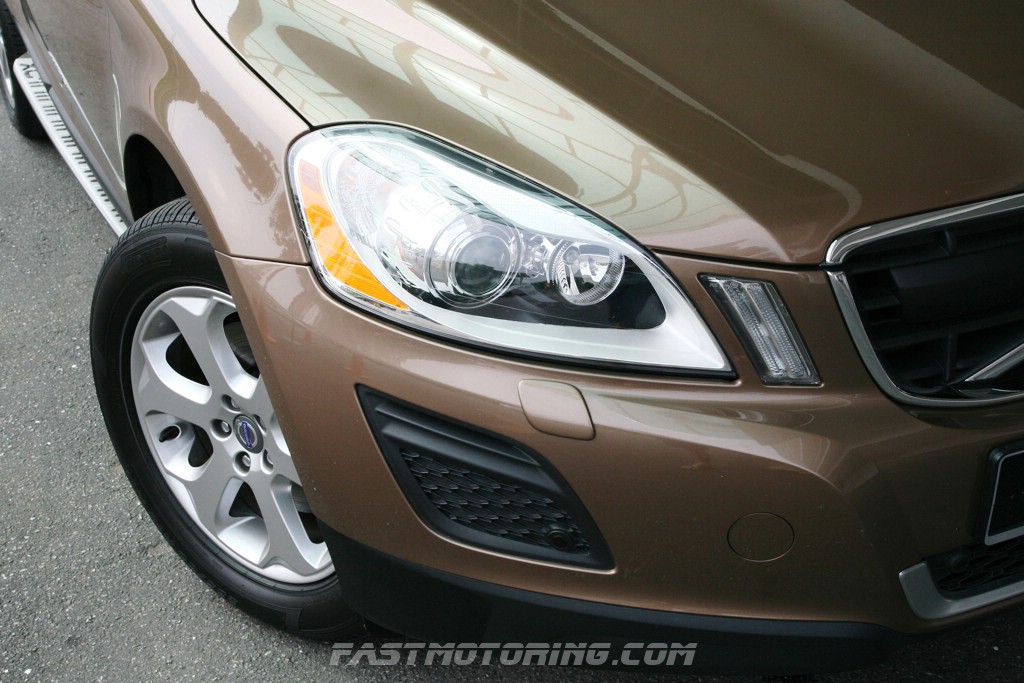
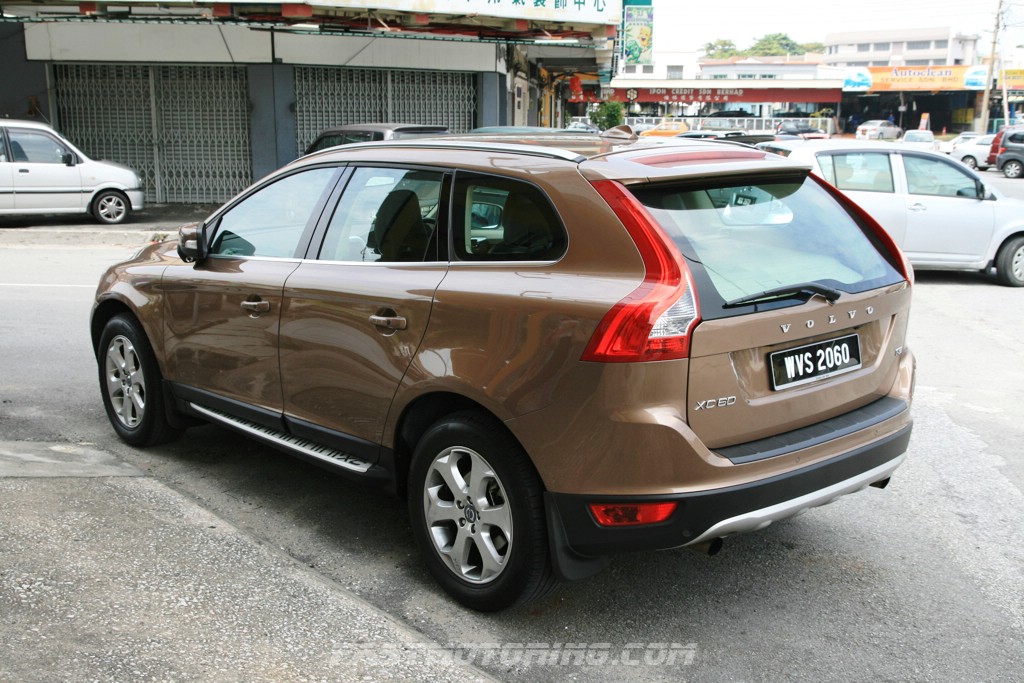
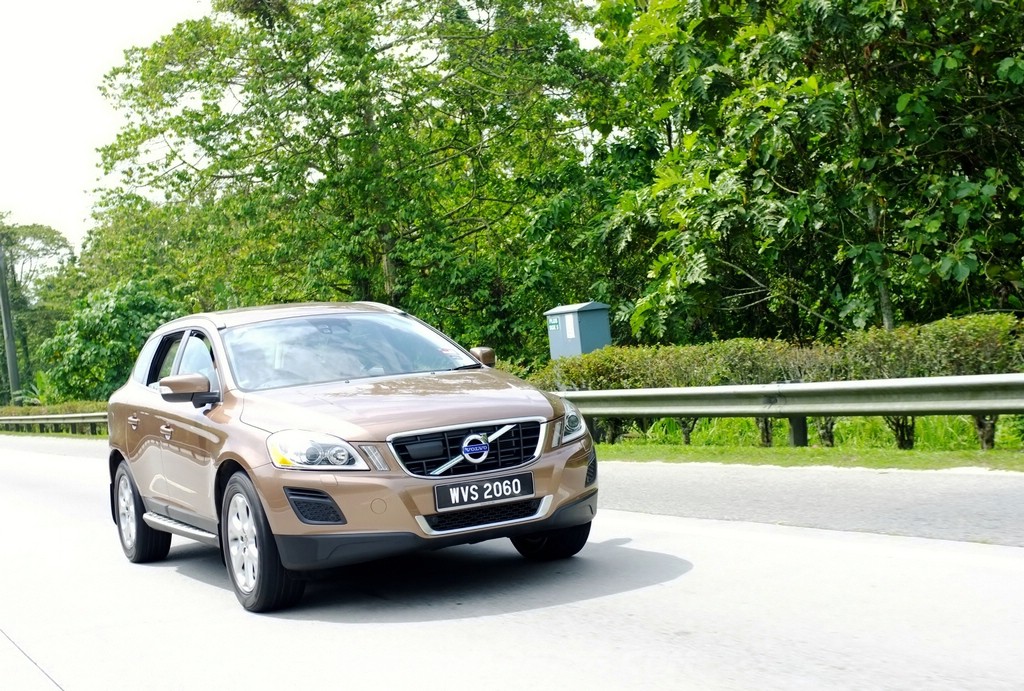
In 2011, Volvo Car Malaysia has updated the locally assembled XC60 T5 compact SUV range in Malaysia with a more powerful engine and enhanced standard features list. After we driven the car for a local road trip, I started to appreciate and understood the reason why this model is one of the best selling Volvo model in the world now.

12444  620xfloat= dscf0842 Volvo XC60 T5 On Road Test & Review in Malaysia

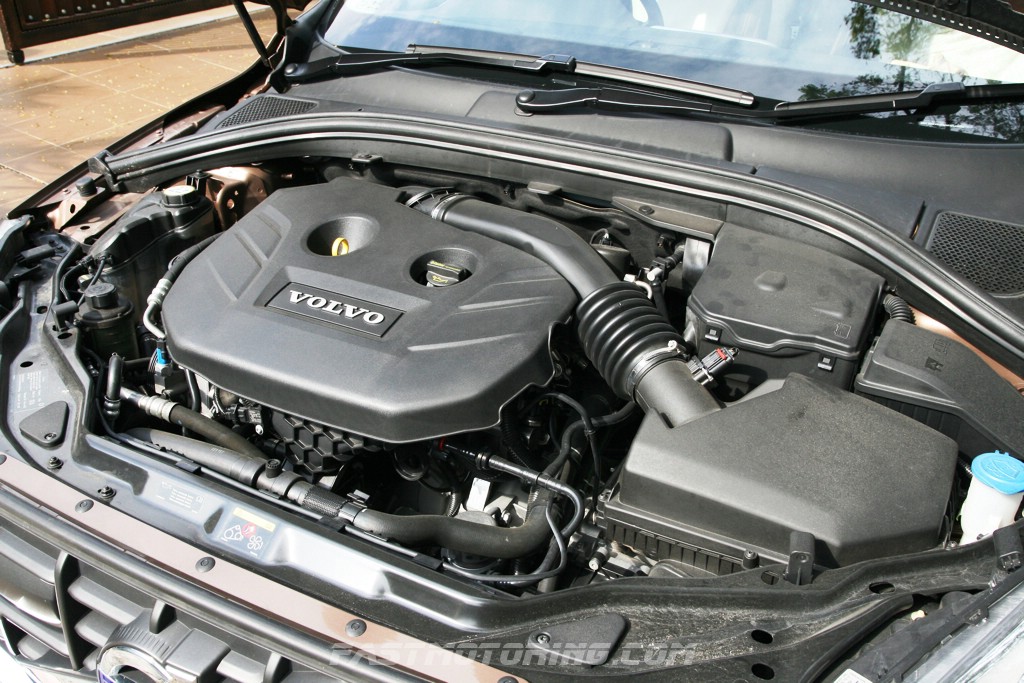
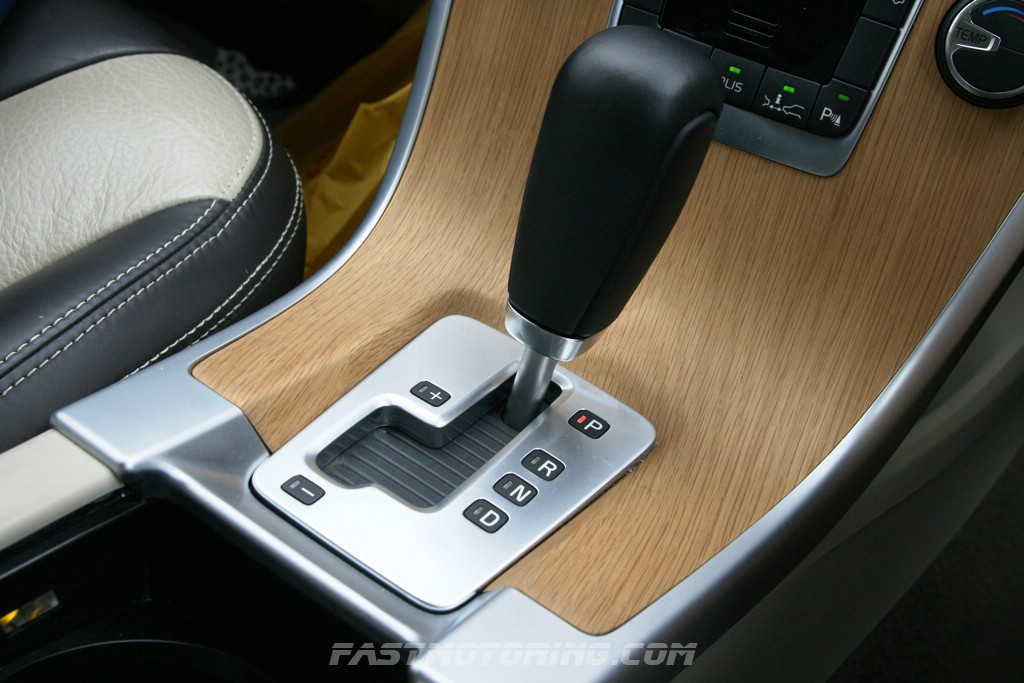
The XC60 T5 is powered by a 2.0-litre all-aluminium four-cylinder GTDI (Gasoline Turbocharged Direct Injection) engine that now produces 240hp at 5500rpm and 320Nm at 1800–5000rpm, up from 203hp and 300Nm. Though, there is still a small amount of turbo lag from the engine. The generated power is delivered to the front wheels via the 6-speed Powershift dual-clutch auto transmission with Geartronic. Basically, the Powershift transmission is Volvo’s version of Volkswagen DSG transmission. The weight of the steering wheel is fully adjustable from light to heavy on the console.

12484  620xfloat= img 4913 Volvo XC60 T5 On Road Test & Review in Malaysia

The acceleration of the Volvo XC60 T5 from 0-100km/h takes 8.1 seconds and a maximum speed of 210km/h. Based on the paper, the fuel consumption is aided by the dual-clutch Powershift transmission with now using 8.5 litres/100km on the combined cycle and emitting 198g/km of CO2 emission. However, the front-wheel drive introduces a little more torque steer. For better efficiency, the brake energy regeneration is also featured in this latest Volvo compact SUV.

12460  620xfloat= img 4715 Volvo XC60 T5 On Road Test & Review in Malaysia
12455  310xfloat= img 4703 Volvo XC60 T5 On Road Test & Review in Malaysia12471  310xfloat= img 4755 Volvo XC60 T5 On Road Test & Review in Malaysia

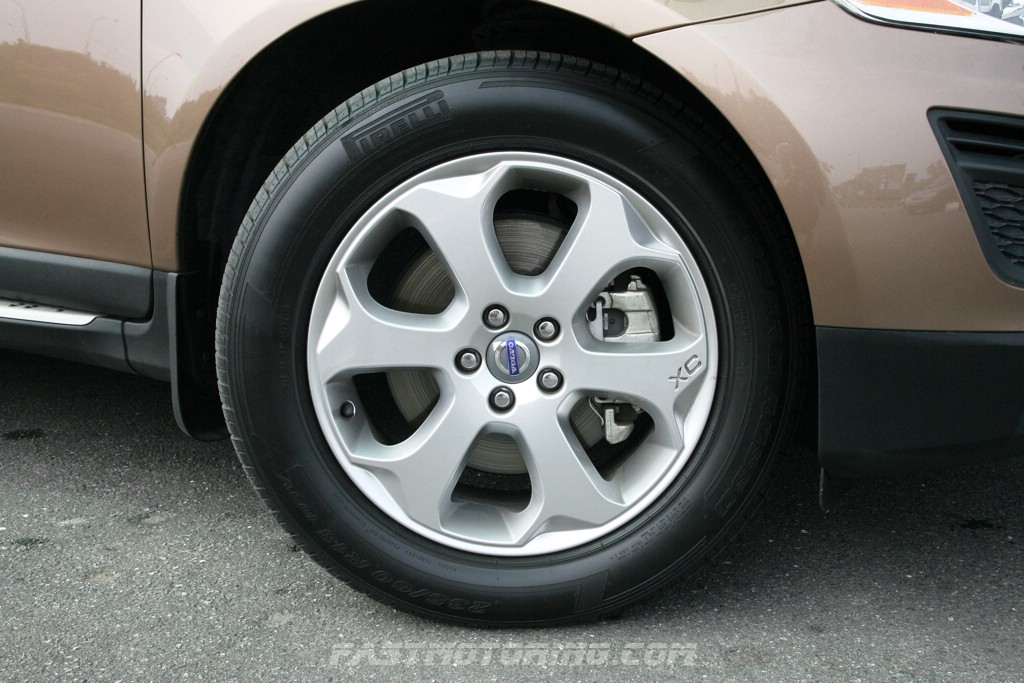
We tested the XC60 T5 from city streets to highways in Malaysia, where the XC60 is promising and contented. Also, the XC60 T5 comes standard with 18-inch ‘Zephyrus’ alloy wheels with 235/60 R18 tyres. Other than we found the big turning radius of 11.7-metre is one of the drawback. Besides, it has excellent and strong braking capabilities.

The suspension setup on the XC60 T5 is firm and controlled. At the same time as we test the handling, I found there are a little body roll exists on the XC60 when putting through corners. Anyway, the ride is smooth and quiet most of the time.

12474  620xfloat= img 4821 Volvo XC60 T5 On Road Test & Review in Malaysia
12468  200xfloat= img 4747 Volvo XC60 T5 On Road Test & Review in Malaysia12475  200xfloat= img 4827 Volvo XC60 T5 On Road Test & Review in Malaysia12476  200xfloat= img 4830 Volvo XC60 T5 On Road Test & Review in Malaysia

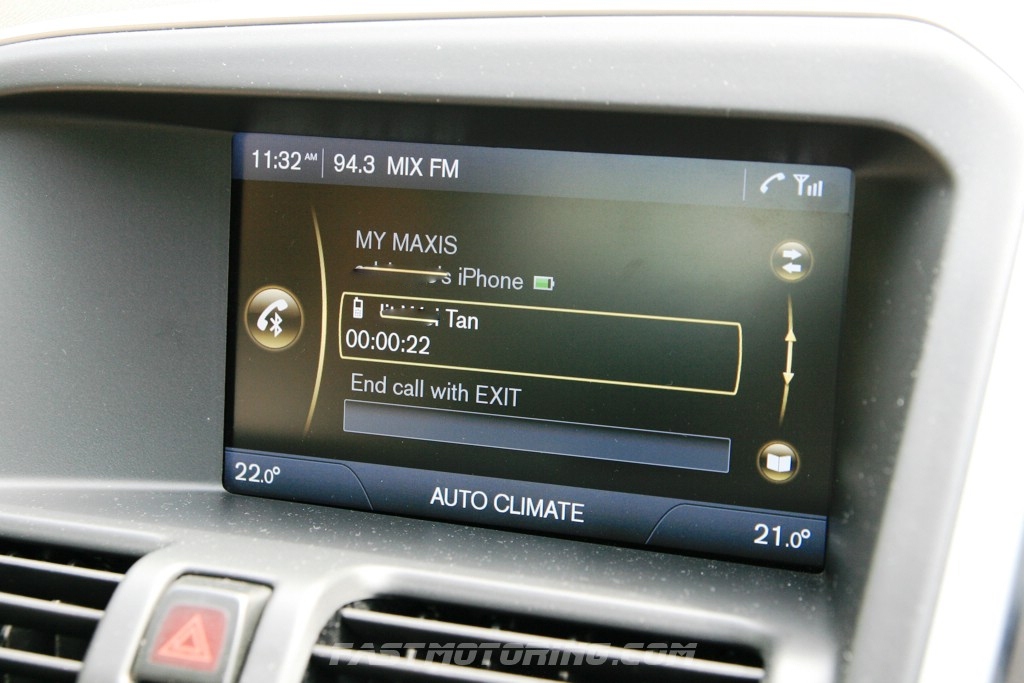
Although the XC60 T5 is an entry range in other region, but it doesn’t mean the T5 in Malaysia is a poverty pack. The new Volvo XC60 T5 includes leather upholstery, climate control, powered tailgate, electric park brake, 8-speakers audio with 7-inch LCD colour screen, auxiliary/USB/iPod inputs, DVD, MP3 playback, rain sensor wipers, auto headlights and Bluetooth with audio streaming capabilities, steering-mounted buttons and navigation system with voice control.  Miserably, the parking assistance camera (PAC) is optional.

12490  310xfloat= img 4995 Volvo XC60 T5 On Road Test & Review in Malaysia12507  310xfloat= img 5171 Volvo XC60 T5 On Road Test & Review in Malaysia

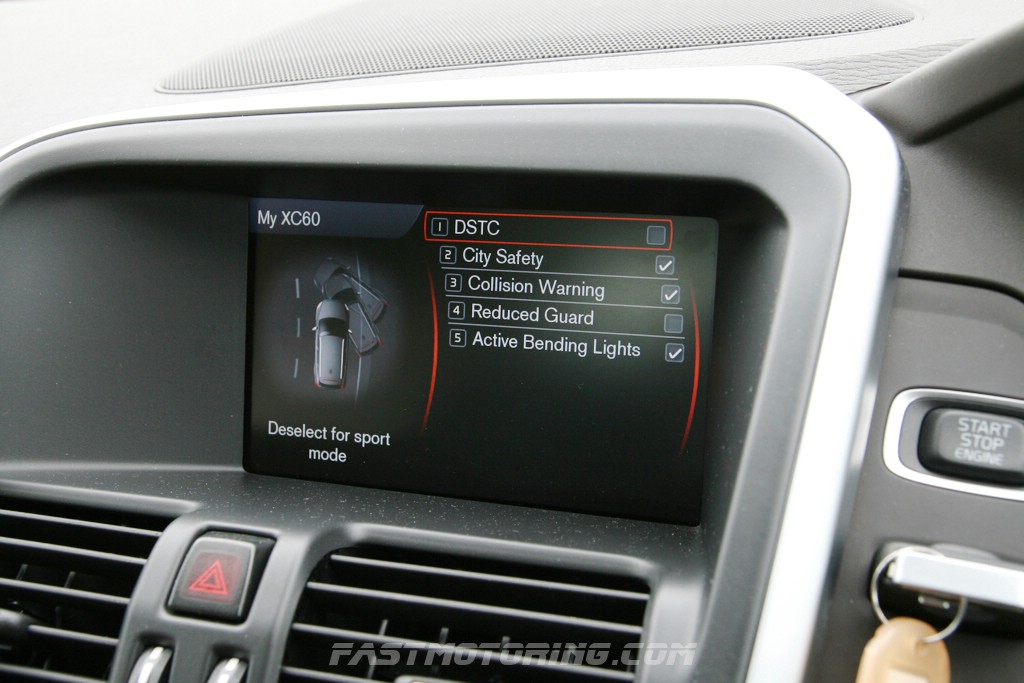
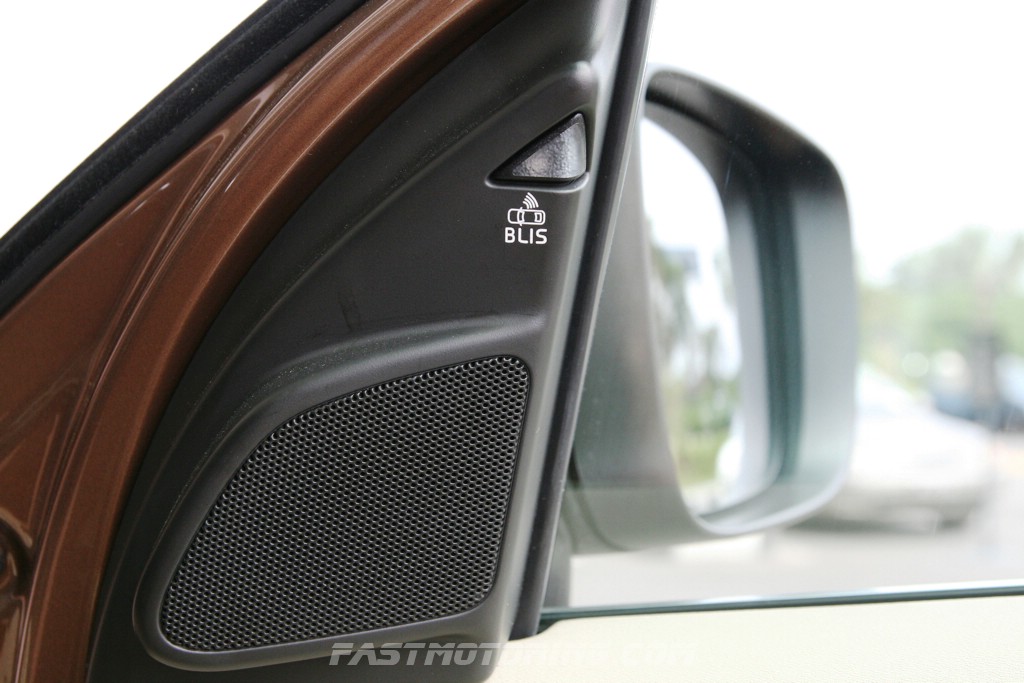
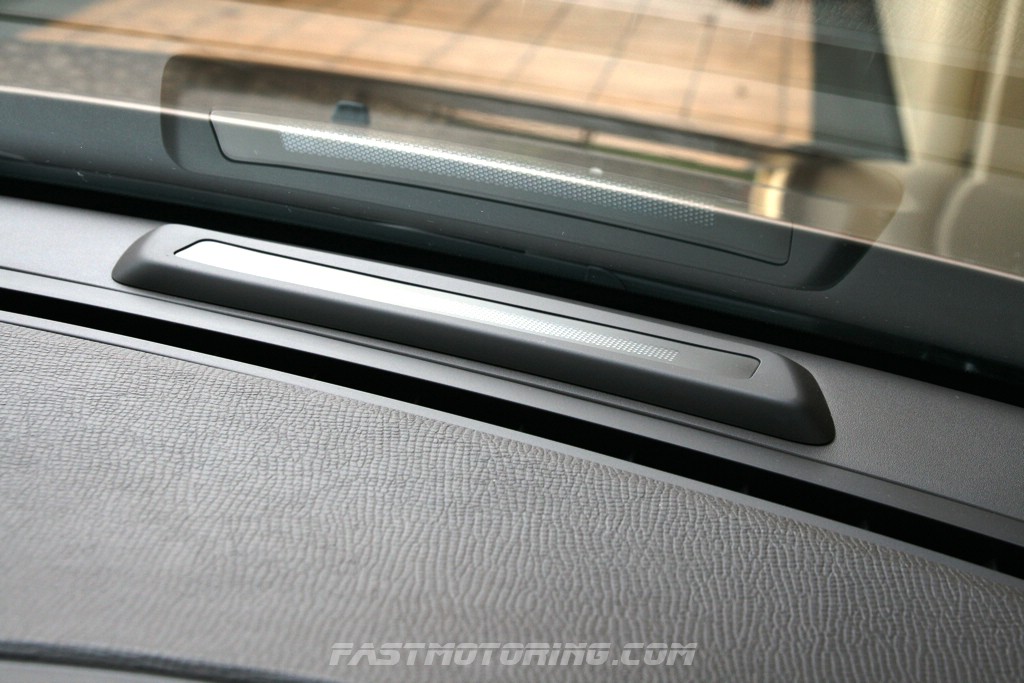
Because the XC60 is a Volvo, as a result safety features will be first class for sure. The XC60 T5 include the world’s first Pedestrian Detection with Full Auto Brake (up to 35 km/h), Collision Warning with Full Auto Brake (up to 180 km/h), Adaptive Cruise Control with Queue Assist (up to 200 km/h), adding on to a list of safeguards comprising the Roll Stability Control, Blind Spot Information System (BLIS) and City Safety. I felt the entire safety features are very useful and ensuring the road safety at all time. Of course, you can disable it all if you think it is annoying but we don’t recommend doing so.

12481  200xfloat= img 4848 Volvo XC60 T5 On Road Test & Review in Malaysia12497  200xfloat= img 5046 Volvo XC60 T5 On Road Test & Review in Malaysia12483  200xfloat= img 4854 Volvo XC60 T5 On Road Test & Review in Malaysia

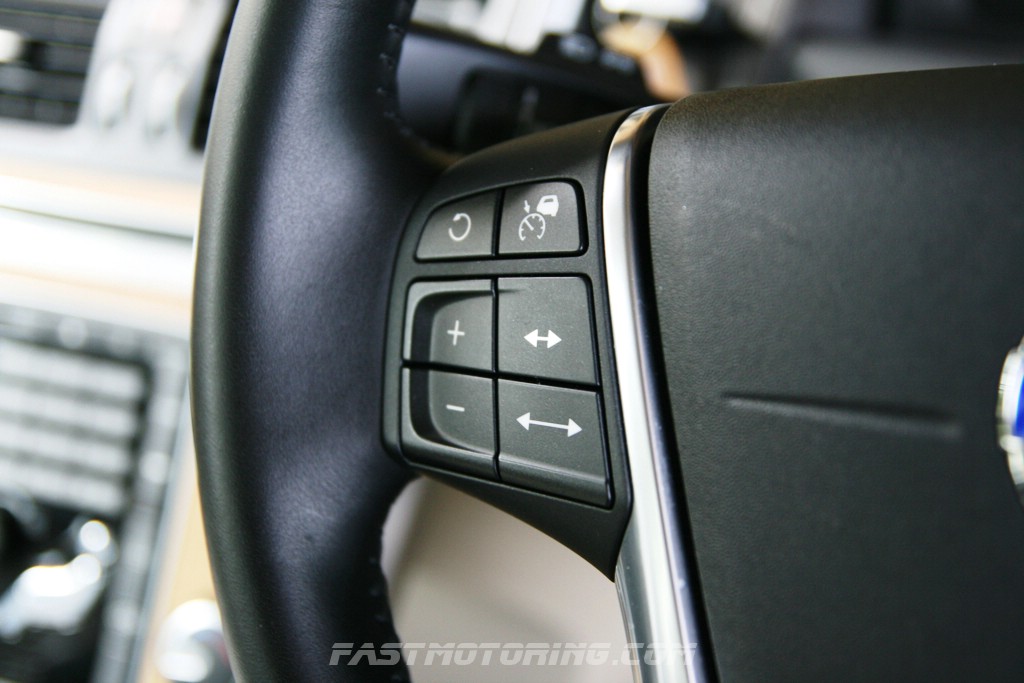
Personally, I like the Adaptive Cruise Control with Queue Assist on the Volvo as it is different than the conventional system. It can automatically adjust speed based on preset speed limit (up to 200km/h) in order to maintain a proper distance between vehicles in the same lane. This is achieved through a radar headway sensor, digital signal processor and longitudinal controller. If the lead vehicle slows down or another object is detected, the system sends a signal to the engine or braking system to decelerate. Then, when the road is clear, the system will re-accelerate the vehicle back to the set speed.

12466  200xfloat= img 4731 Volvo XC60 T5 On Road Test & Review in Malaysia12498  200xfloat= img 5054 Volvo XC60 T5 On Road Test & Review in Malaysia12495  200xfloat= img 5025 Volvo XC60 T5 On Road Test & Review in Malaysia

In slow-moving traffic up to 30km/h, Queue Assist automatically adapts the vehicle’s speed to keep a safe distance from the car in front.

The lists of the safety system on the brochure are longer. But in summary, it comes standard with stability control, six airbags and this car is awarded with 5-star NCAP crash rating.

Typically, the styling on the older Volvo is usually monotonous and the driving experience is rather flat. But things seem to be much improving after the introduction of naughty Volvo S60 back in 2010. Likewise, some of the design and feature within the cabin have brought the XC60 closer to the S60 sedan.

12493  620xfloat= img 5011 Volvo XC60 T5 On Road Test & Review in Malaysia

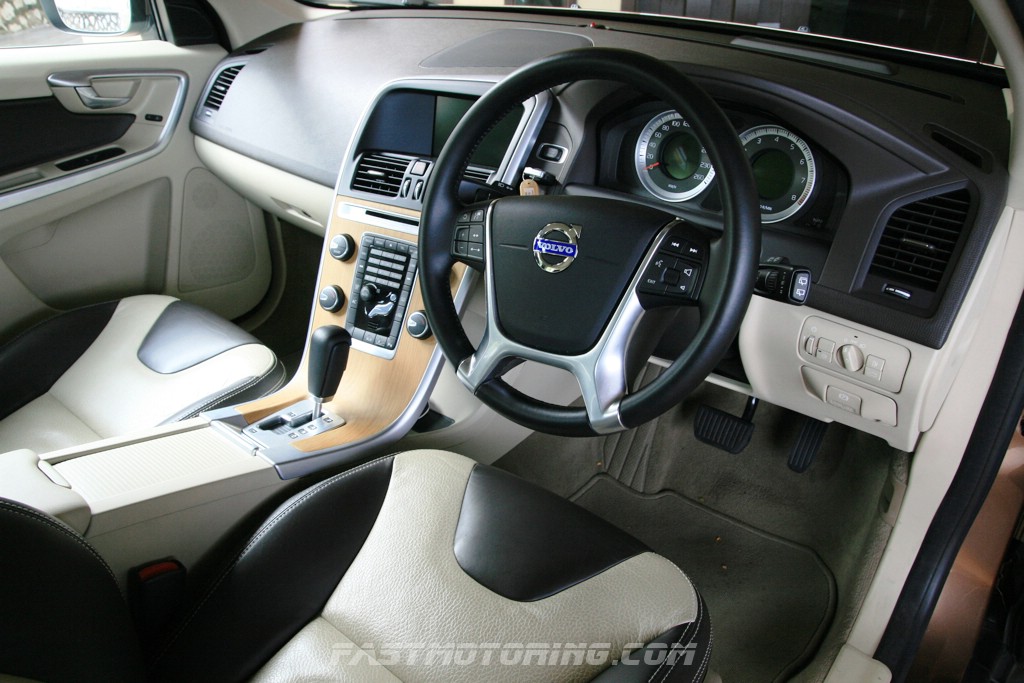
The interior design, functionality, quality and materials for XC60 T5 have rarely come in for criticism. The interior atmosphere seems comfort and satisfying.

12506  323xfloat= img 5166 Volvo XC60 T5 On Road Test & Review in Malaysia12491  323xfloat= img 5008 Volvo XC60 T5 On Road Test & Review in Malaysia12464  295x img 4725 Volvo XC60 T5 On Road Test & Review in Malaysia

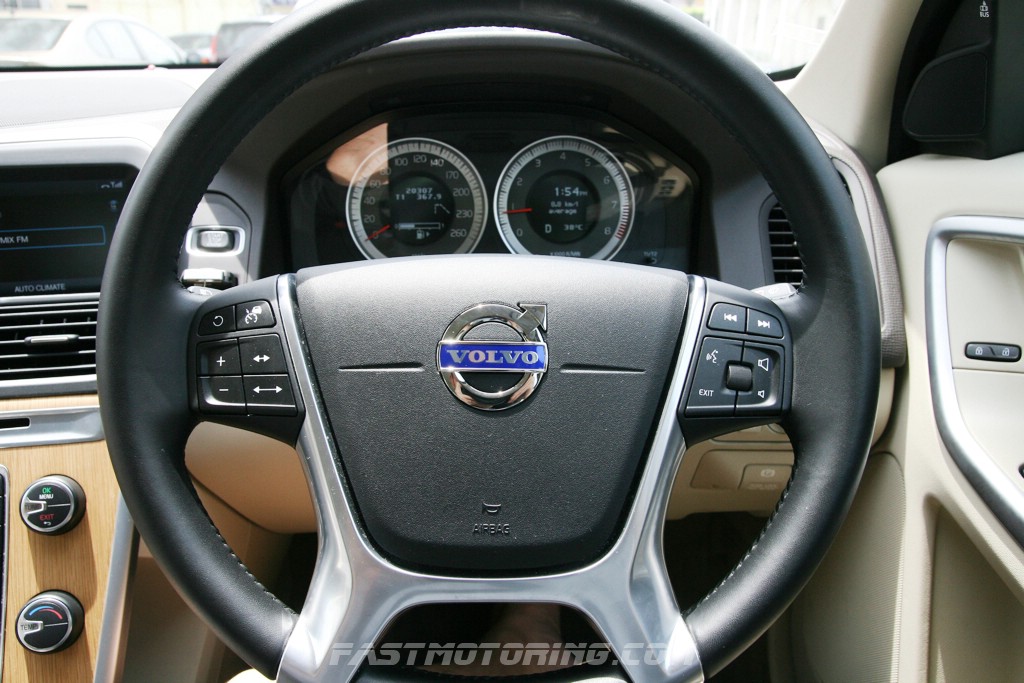
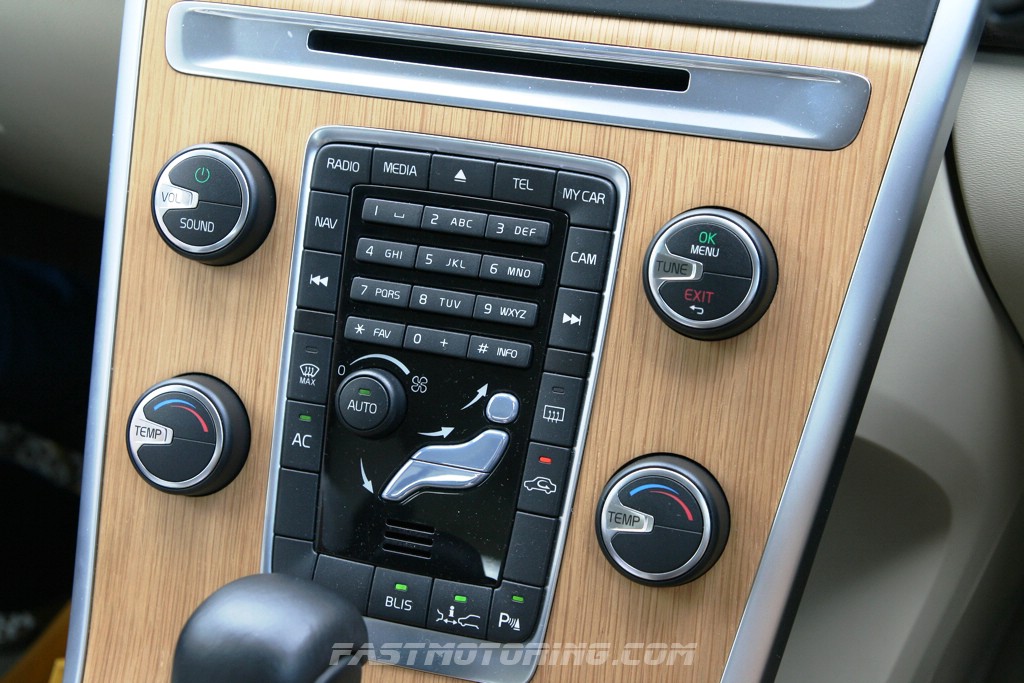
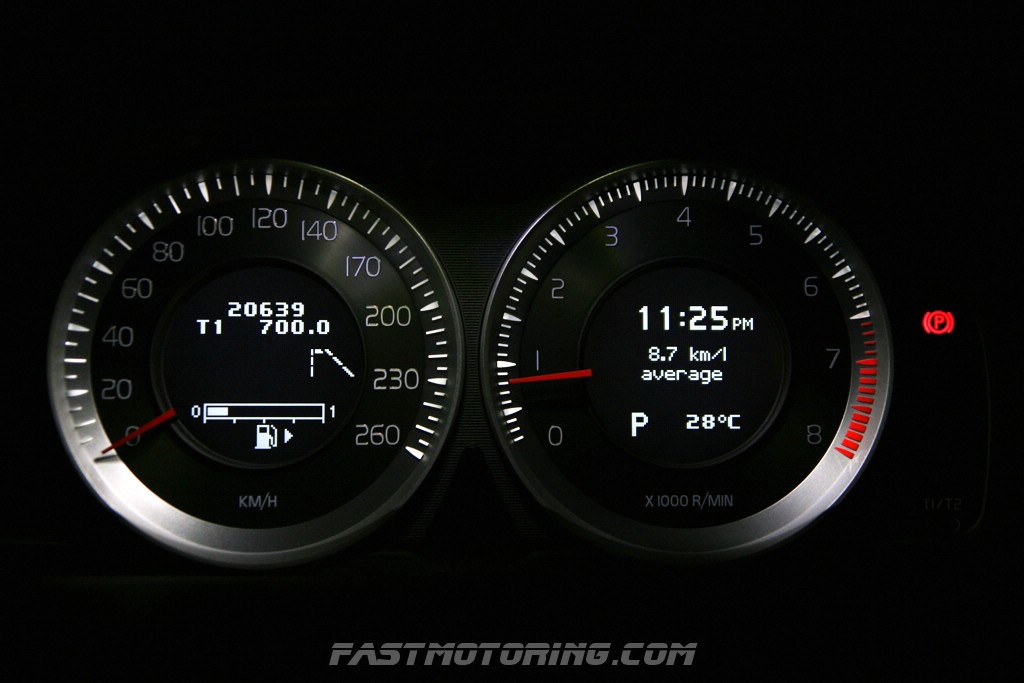
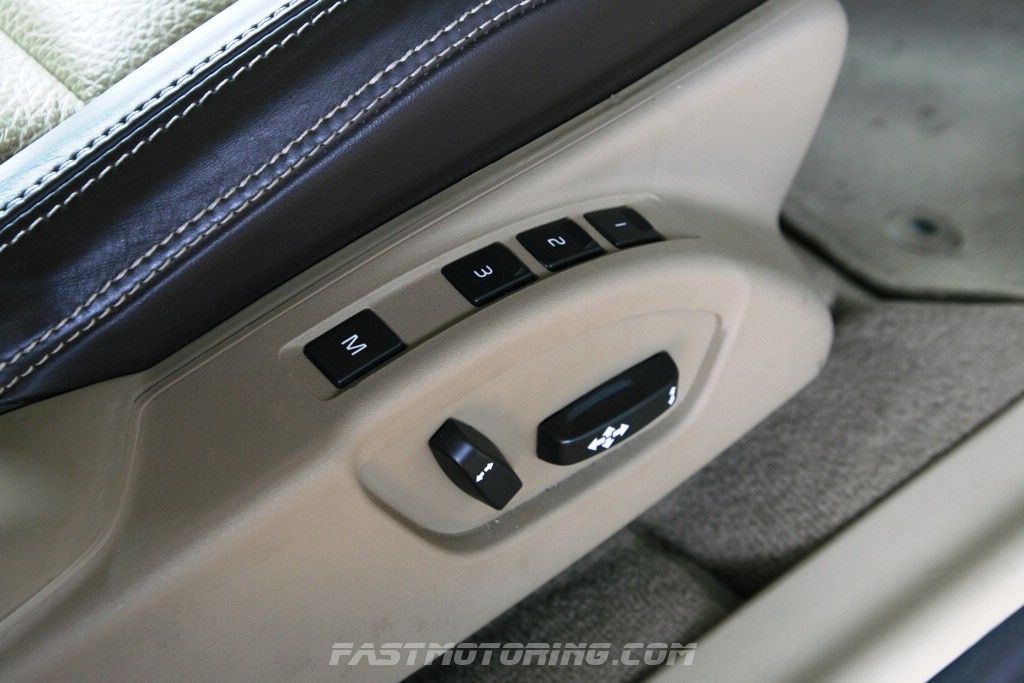
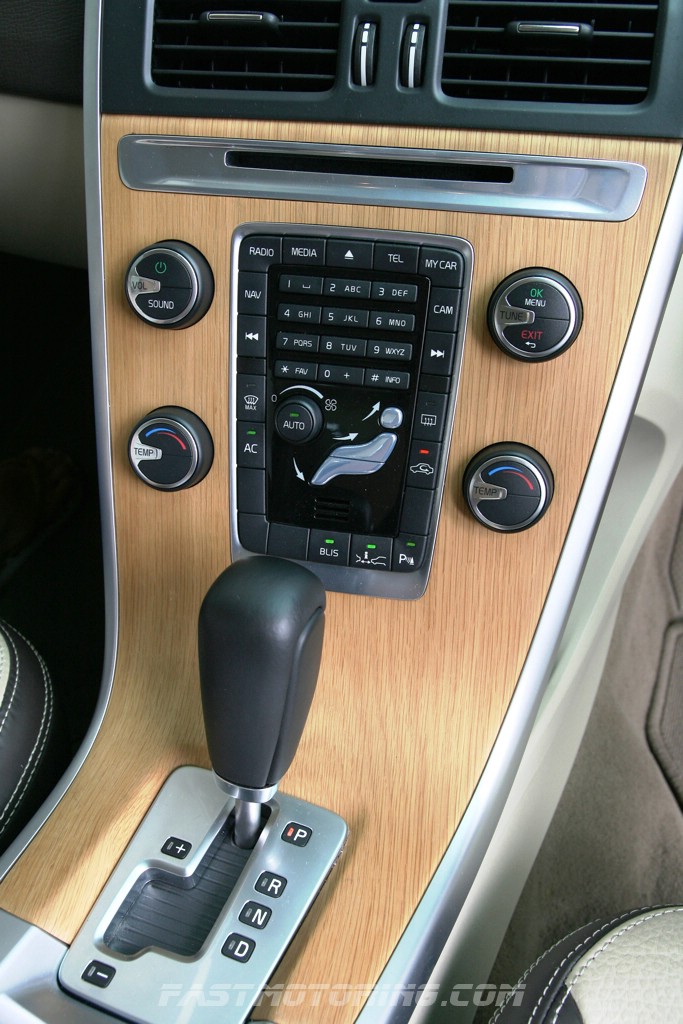
The driver gets a non-electric tilting and telescoping steering wheel and electrically adjustable driver and passenger seat. It comes with memory for driver seat and exterior door mirrors. The instrument clusters are elegantly presented in clock-style dials with white LED. However, I think the centre console is more sculptural than useful and it can be complex in operating it at initial phase, at least for me.

12499  200xfloat= img 5081 Volvo XC60 T5 On Road Test & Review in Malaysia12502  200xfloat= img 5100 Volvo XC60 T5 On Road Test & Review in Malaysia12503  200xfloat= img 5101 Volvo XC60 T5 On Road Test & Review in Malaysia

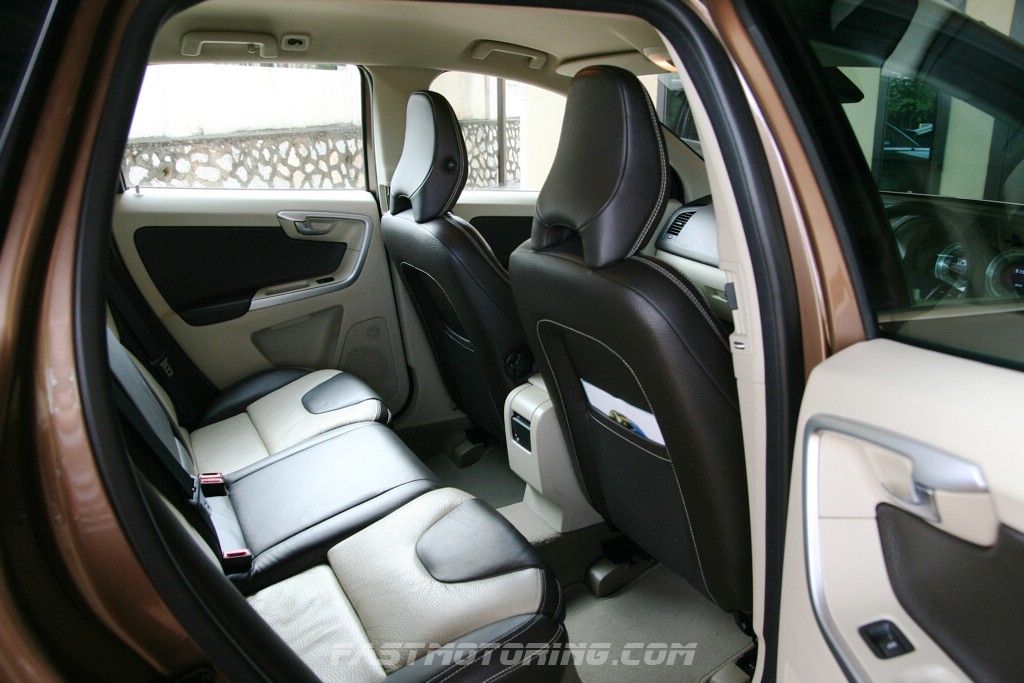
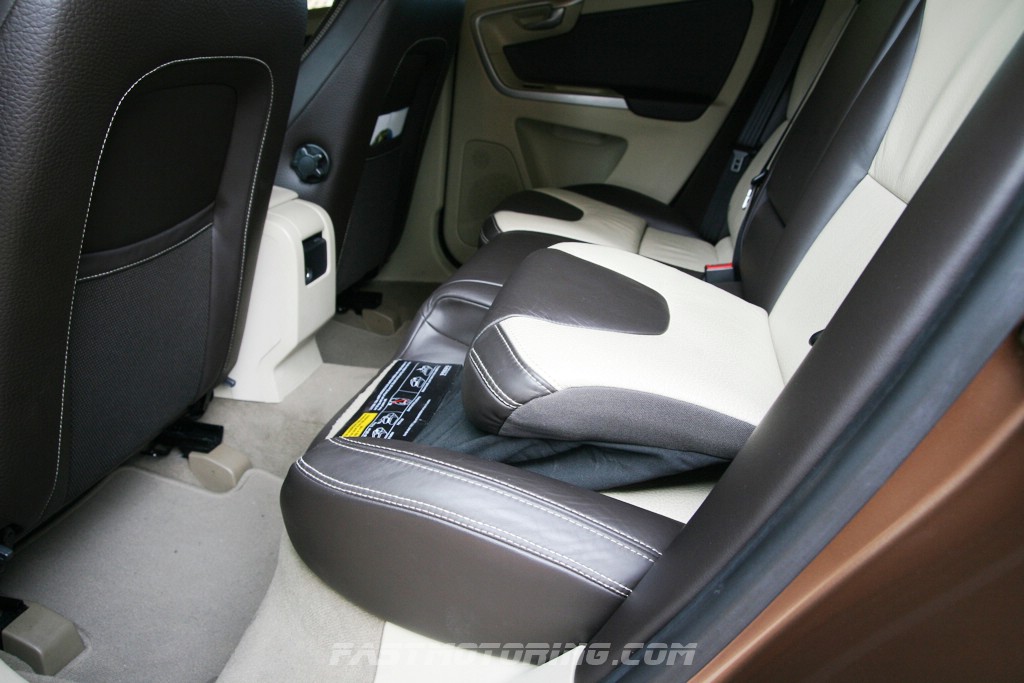
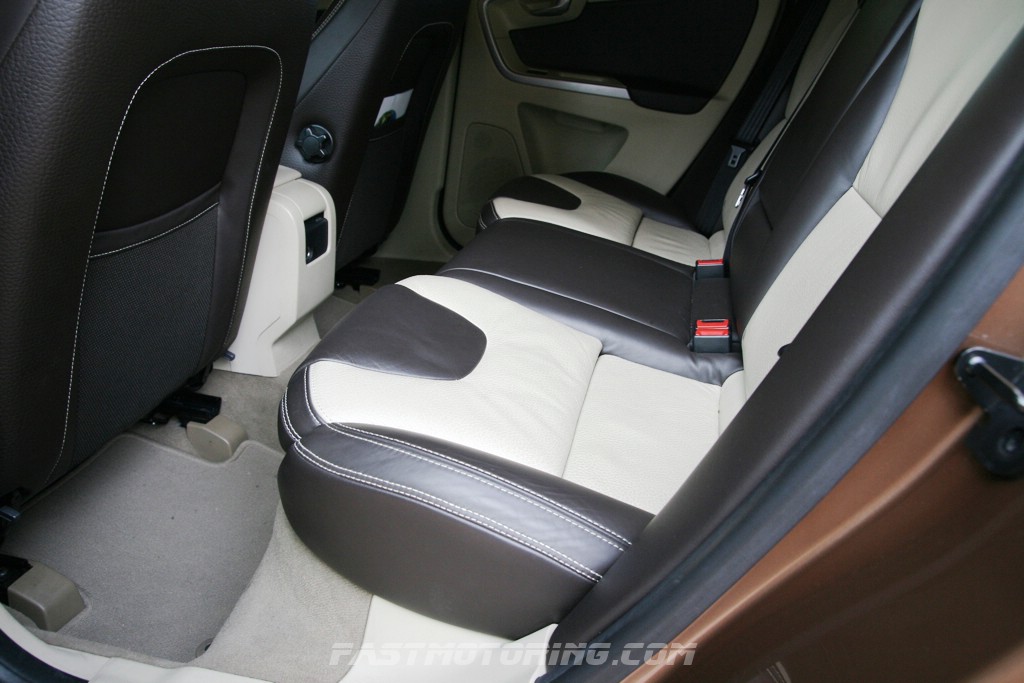
Frankly, the rear seats are not as spacious as the Volvo XC90. However, it is able to fit two adults comfortably and three adults at a squeeze. One more feature that I think is special is the 2-stage child-friendly booster cushions which integrated into the rear bench.

12486  310xfloat= img 4964 Volvo XC60 T5 On Road Test & Review in Malaysia12489  310xfloat= img 4986 Volvo XC60 T5 On Road Test & Review in Malaysia

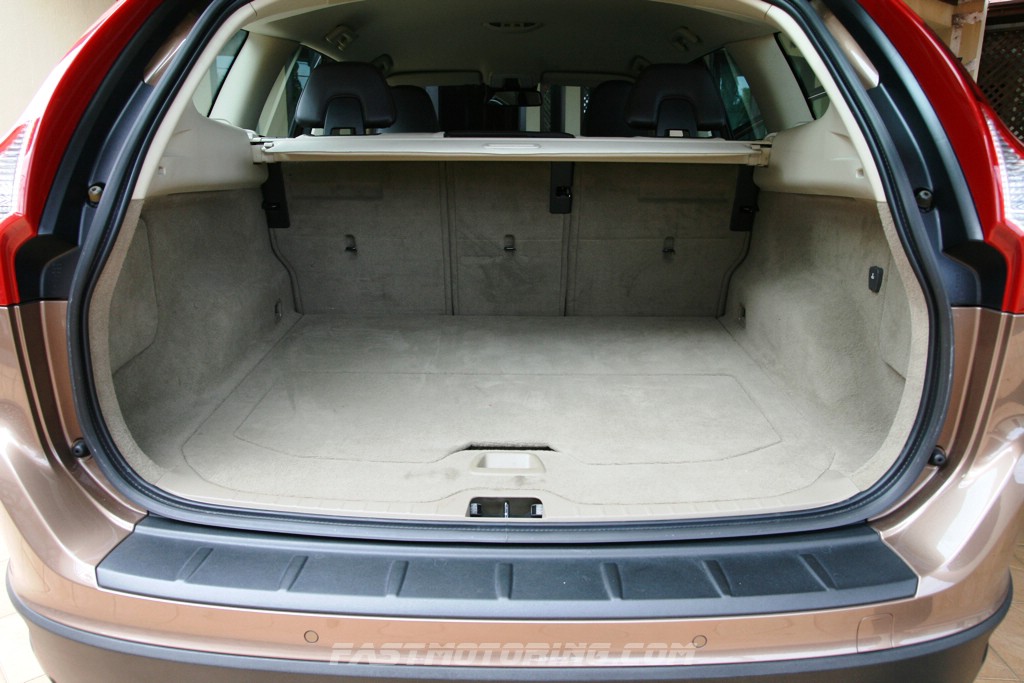
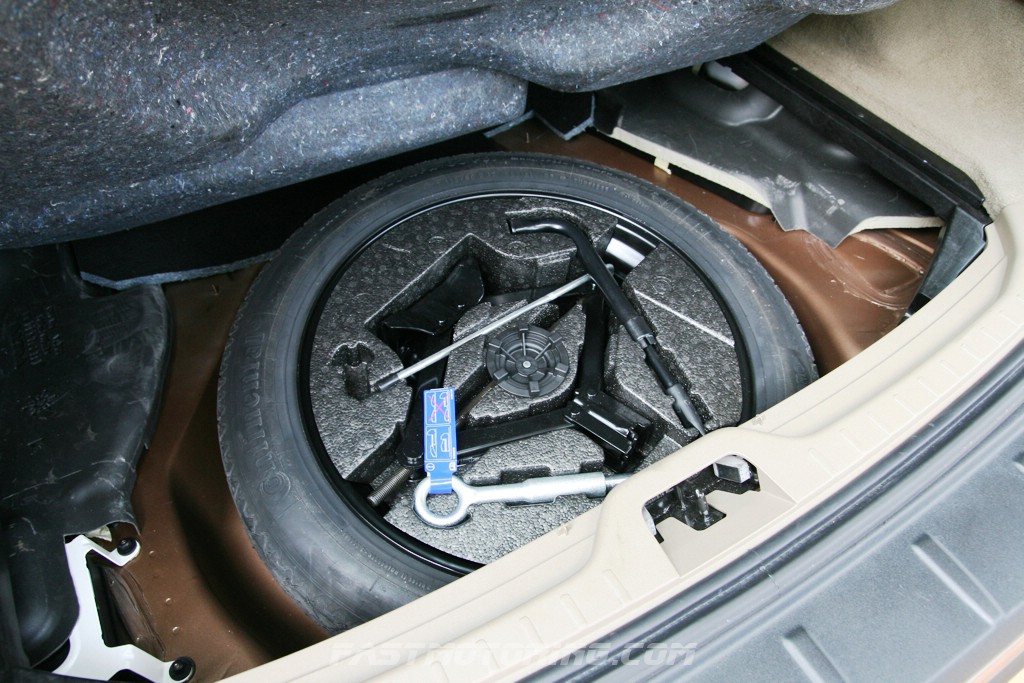
The boot space at the trunk is spacious as it expands from 490 litres to 1455 litres with the rear seat folded down. Storage for smaller items is excellent throughout the cabin. Apparently, the XC60 is the only model left for Volvo that having a space-saver spare tyre as the other models only comes with a tyre inflation kits instead.

The service intervals are schedule on every 1-year or 20,000km. Volvo Car Malaysia offers 3-year warranty and 3 years complementary Volvo On-Call as standard for all Volvo models in Malaysia. The new Volvo XC60 T5 Powershift is selling on-the-road in Peninsular Malaysia from RM 299,950.00 without insurance. Do visit any Volvo authorised dealers to experience a Volvo for yourself. You will be amazed like I do!

In conclusion, the Volvo XC60 T5 with 6-speed Powershift auto transmission is responsive and engaging. It is definitely one of the safest cars in the world. The entire safety pack cleverly designed and provides a peace of mind driving experience. If anyone can ever crash a Volvo, I am sure the driver must be a reckless or unlucky one. The XC60 T5 is front-wheel-drive rather than all-wheel-drive but for most buyers this shouldn’t be an issue at all.

The Volvo S80 D2 SE has a weakness that is also its greatest strength.


Volvo S80 D2 SE Finance

The Volvo S80 D2 SE has a weakness that is also its greatest strength.


Volvo S80 D2 SE Finance


The Volvo S80 D2 SE has a weakness that is also its greatest strength. It is “not” - you see - a BMW 5 Series, Mercedes-Benz E-Class, or Jaguar XF. As such, its weakness is that it lacks the prestige of these capable competitors. But guess what? There are hundreds of thousands of motorists who want a comfortable, luxurious, saloon - but are desperate to steer clear of the familiar prestigious marques. For some, these are for show-offs and yuppies. Step-up, then, to the Volvo S80 D2 Powershift SE. This has elegant looks, a supreme ride, and composed handling. However, it is a cruiser not a bruiser. This 115PS diesel also averages a tremendous 62.8mpg and returns 67.3mpg on the extra-urban cycle. Throw-in respectable performance, smooth automatic transmission, and a high equipment specification and it become clear that the S80 “suits” those who want something left of field.
That brings us to the filthy subject of money.


The Volvo S80 D2 Powershift SE is available via a zero interest personal contract purchase plan. Terms include the £8,206 deposit, followed by thirty-six monthly payments of £429. Throughout this period, motorists have an annual mileage allowance of 10,000. At the end of the contract there are three options. One, pay the £6,120 purchase payment to own it outright. This – with the other charges – makes a total of £29,770. Option two is to return the S80. There should be nothing further to pay, subject to any mileage excess and condition. Or three, use any equity towards a replacement Volvo. Choices, choices - but who could bare to part with a non BMW 5 Series.


New Volvo V40: first for safety


New Volvo V40: first for safety


volvo v40


The all-new Volvo V40 premium hatchback is now available to drive at TMS Coventry.
Offering the ultimate in luxury, safety technology, driving dynamics and specification, the eagerly awaited V40 can now be test driven at TMS Coventry on London Road.
With a low and wide front look enhancing a bold, expressive grille and the option of a panoramic glass roof, V40 is the first model to be developed according to Volvo’s new human-centric, Designed Around You strategy.
Performance is delivered from a wide choice of both petrol and diesel engines ranging from the 115 hp 1.6-litre D2 diesel, with CO2 emissions of just 94 g/km with an accompanying fuel economy of 78.5 mpg*, placing this model in the lowest tax band, to 254 hp for the petrol turbo powered T5.
Much of the new V40’s design, specification and technology such as start-stop and braking energy regeneration have been developed with the company motorist in mind and company car users will further benefit from strong Benefit In Kind (BIK) figures. Company car drivers of a V40 D2 will pay a monthly BIK of just £43 and £85 for 20% and 40% tax payers respectively.
The V40 D2 offers class leading BIK figures for premium 5-door hatchbacks, beating the BMW 116d ED (£45 and £90) and the Audi A3 1.6 TDI (£48 and £97).
The luxury hatchback is available in ES, SE and SE LUX trim with Bluetooth, ECC (Electronic Climate Control), DSTC (Dynamic Stability and Traction Control), power windows, a leather steering wheel and gear knob fitted as standard. The SE model adds Textile/T-Tec upholstery, shimmer graphite inlays, cruise control, steering wheel remote controls and keyless start. The most luxurious version of the Volvo V40, the SE LUX offers leather-faced upholstery, 17in Mannan alloy wheels and LED day running lights as well as active bending xenon lights with a headlight cleaning system.
The all-new Volvo V40 is the most intelligent and safe car in its segment and Volvo aims to achieve a full five-star rating in the new, tougher 2012 Euro NCAP safety tests.
Its host of innovative features includes the world’s first pedestrian airbag fitted as standard; the next step towards the manufacturer’s target of no-one being killed or injured in a new Volvo by 2020. The system is active at speeds between 12 and 31 mph and with 75 per cent of all accidents involving pedestrians taking place at up to 24 mph, the technology is set to save lives.
Volvo’s City Safety low-speed collision avoidance system, which now operates at speeds up to 31 mph (currently 19mph on other models), keeps an eye on traffic in front and automatically brakes if the driver fails to react in time when the vehicle in front slows down or stops - or if the car is approaching a stationary vehicle too fast.
Other safety features also include Park Assist Pilot which makes parallel parking easy; Lane Keeping Aid helps the driver stay in the intended lane. Enhanced Blind Spot Information System monitors and alerts the driver to rapidly approaching vehicles and those in the blind spots on both sides of the car. Adaptive Cruise Control & Distance Alert automatically maintains a set time gap to the car in front; and Collision Warning and Auto Brake detects, alerts and automatically brakes if the car risks colliding with another vehicle in front.
Priced from £19,745 on-the-road, test drive bookings can be made by contacting TMS Coventry on 0844 662 6229 with first deliveries taking place in September.
*Fitted with 205 tyres / on the combined cycle

VOLVO: The good oil


VOLVO: The good oil

Performance and economy in a practical package . . . the Volvo XC60.
YOU'VE got to hand it to Volvo they are producing some very desireable cars these days.
The five-seat, mid-sized XC60 off roader is Volvo's top-selling model in this country and it's not difficult to see why.
It looks good, goes well and excellent value for the money, with lots of built in safety features.
POWER
The 2.4-litre twin-turbo diesel engine has undergone significant upgrades for 2012.
These changes have increased power form 151kW to 158kW while torque jumps 20Nm to 440Nm.
Fuel consumption has been improved by 10 per cent.
The improvements are the result of a lighter crankshaft and camshafts.
The impeller in the coolant pump has been redesigned and contributes to reduced fuel consumption.
ECONOMY
The turbo diesel is paired with a 6-speed Geartronic auto with the option to change gears manually.
Claimed fuel economy has improved from 7.1 to 6.9 litres/100km.
With a 70 litre fuel tank that gives it a range of just over 1000km.
We were averaging 8.5 litres/100km over 700km.
The reduction in fuel consumption means that diesel models qualify as low emission vehicles and benefit from the recent changes to the Luxury Car Tax which has brought the price down.
SAFETY
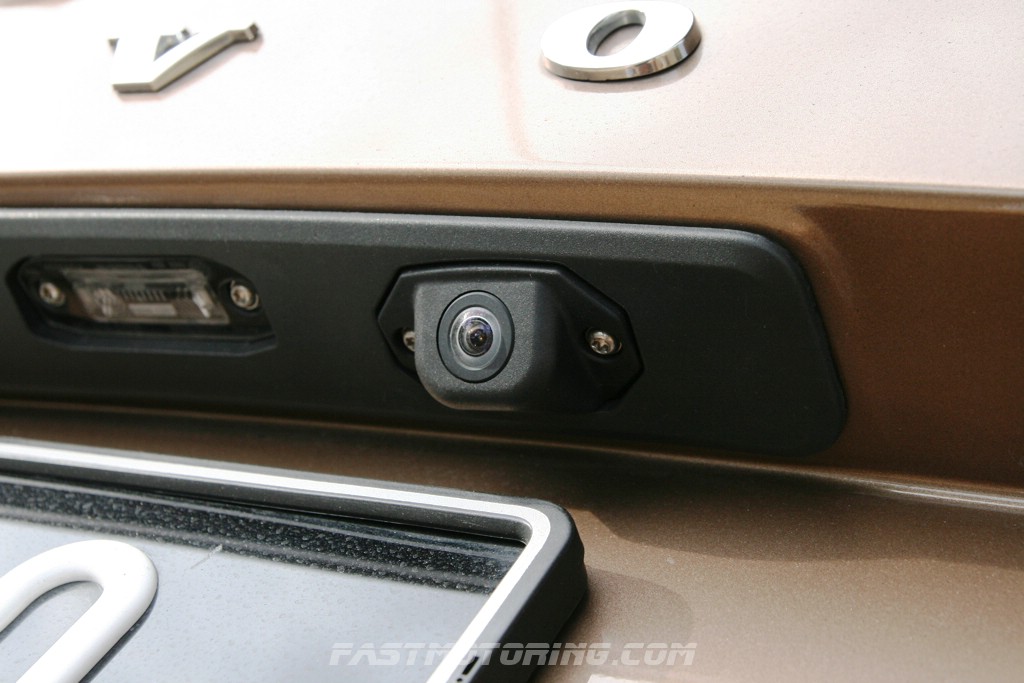
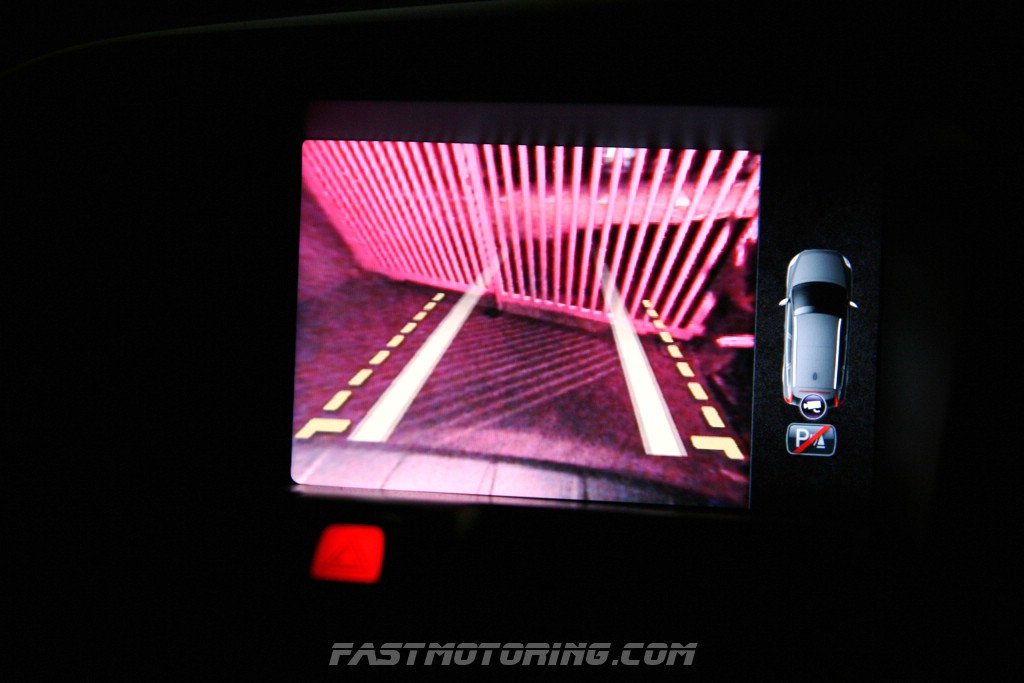
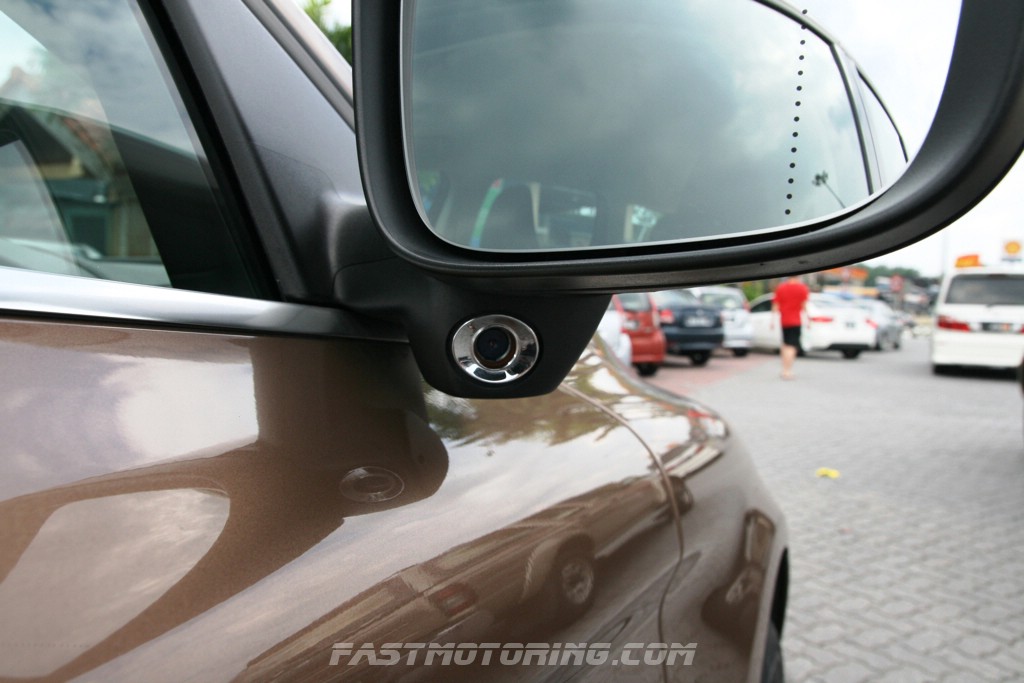
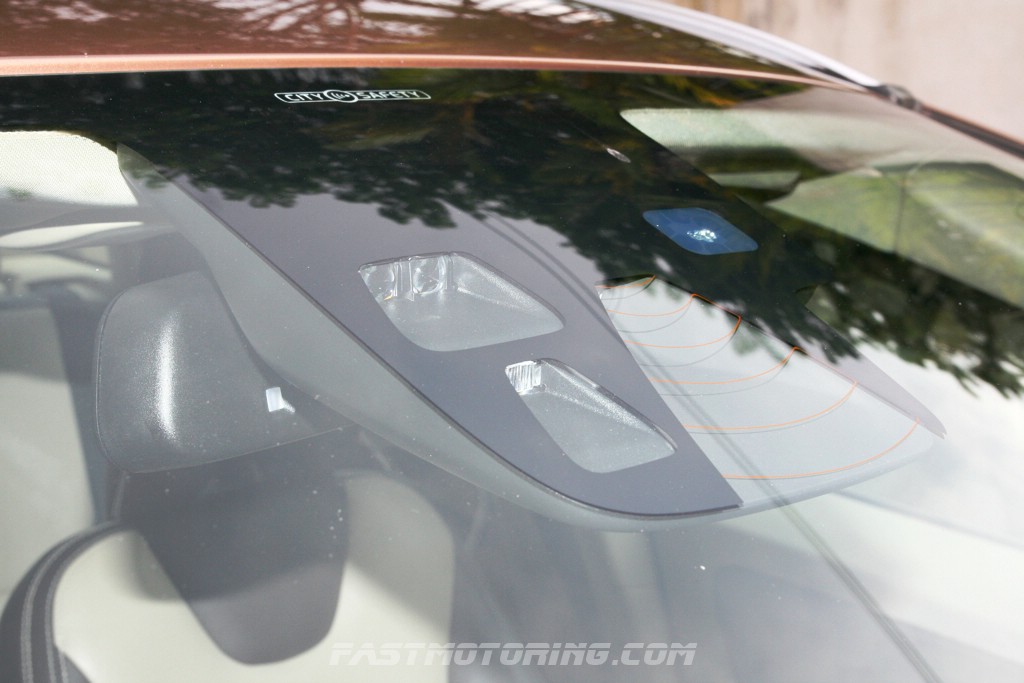
The XC60 earns a maximum five stars for safety and now boasts a rear reversing camera standard equipment. It comes with a full compliment of active safety systems, including City Safe which is designed to help prevent rear-enders by automatically applying the brakes if a collision is imminent. Blind spot awareness cameras are also fitted as standard with this model.
VALUE
Leather and climate controlled airconditioning are standard, along with auto lights and wipers, power operated front seats, rear parking sensors and a power-operated tailgate. The latter might sound like overkill, but once you have had one you won't want to give it back.
Other features include swivel headlights, with wash system and Bluetooth has been updated to include audio streaming, with an eight-speaker audio, with a 7 inch colour monitor and DVD player.
Prices for XC60 start at $54,990, while the D5 Teknik model is priced from $65,990.

1 Aug 2012

Mercedes-Benz B-Class Review


Mercedes-Benz B-Class Review


Mercedes-Benz's lack of an entry-level luxury car in the Indian market will soon be a thing of the past. Right now, it only has the C-Class in its arsenal to take on the fight with its competitors - BMW, MINI and Audi. Boosting the choice within its portfolio, but at lower price points, will be new models starting first with the B-Class, which will be launched in September / October this year.
Later, by early 2014, the new A-Class will join the team here and the new compact sedan (supposedly called the CLA) will also be part of the portfolio months later. These cars are expected to help Mercedes bridge the gap and attract a new class of customers who are currently not being catered to, due to the price barrier.
The first to join Mercedes-Benz India's new line-up will, of course, be the B-Class. With this ‘Sports Tourer’, which can also be viewed as a compact luxury MPV, the company will expect to create a new segment. Whichever way you look at it, the B-Class is likely to attract a lot of attention due to its unique body style. Mercedes officials say that the new B is likely to be priced in the region of Rs 25 lakh and that the company is very clear that though imported, the car will be priced in the same range as it would be if assembled locally.
That is good news and it is timely too, and it could enable Mercedes to take on competition from the Audi Q3, BMW X1 and the MINIs.
The B-Class has held a unique position in Mercedes-Benz's line-up globally. Like the CLS, it is one more of those body styles that Mercedes designers and engineers managed to mould to be special, to create a strong new sub-segment and eventually to be emulated. But, inside, the 'B' is based on the A-Class and even shares some of the smaller sibling's parts and features.
The B-Class has the classic Mercedes design lines all around it. Very MPV-like and hatchback-like traits are there, too, like the sharply rising A-pillar, the almost straight roofline and near vertical tailgate. This is possibly also the reason why these features make the B-Class look more like a large conventional hatchback when viewed up close. It is also not a midget in comparison to the next car in the Merc line-up. In fact, the B-Class' width and wheelbase are marginally higher than the C-Class'.
Short overhangs at the front and the rear, and the compact bonnet section are the characteristics that catch your eye first. As a result, the B-Class' front is strikingly Tourer like. Wrap-around headlamps with the classic Merc combination of lenses and LEDs, and the familiar bonnet grille design would have led you into thinking that it has more in common with the C-Class sedan. That is until you see the sharply rising bonnet slab that goes on to meet an equally sharply rising A-pillar. The wide bonnet creases and the two slatted grille in chrome with the three-pointed star in the middle visually enhances the B-Class' width and stance. The curvy, flared wheel-arches also add to this perception of width.

DESIGN

At the rear, the design has been kept simple. The tail-lamps and their combination are very much a Mercedes-Benz touch, and look similar to some of the brand's estate models. The rear glass is a clean rectangular unit offering sufficient visibility for the driver.
Getting into the B-Class' cabin will again remind you of the car's construction. The driver seat position is very hatchback-like, with a comfortable view of the road at the front and of the sides. Let your eyes stray away from the seat and the cabin's overall quality immediately captures your attention. The dashboard layout and design is crisp and the fit, finish and material quality smells of luxury. The aircraft propeller inspired air-conditioner vents and the neatly structured centre console are not only attractive but also very practical.
I was driving the left-hand drive version of the new B-Class that Mercedes-Benz India had shipped in from Germany, just for us journos to experience on the Buddh International race track. The interior theme was black and grey and the trim level was also one of the lower-end. So, the seats, though extremely comfy and supportive, only had manual adjustments. The cabin was definitely not spartan, but more loaded variants that will make it to the market should feature more premium add-ons. The info display mounted on the centre stack can double for a number features including navigation.
The B-Class' interior space is the other striking feature of the cabin. There is enough legroom for rear passengers thanks to the car's healthy wheelbase. The left-hand drive B-Class that I tested on the track was also the European-spec version and was fitted with a six-speed manual gearbox, which was probably mated to Mercedes-Benz's 2-litre engine.

ON THE TRACK

Mercedes officials didn't offer the data about the cars that were on the track and were also tight-lipped about the engines that will make it here in September. The engine in the B200 that I drove was possibly capable of delivering 134bhp. It felt quick at the turns on the track, but not quick enough for the straights. Top speeds that I registered were about 165 kmph on the main straight at the BIC. Mercedes also has a few other engines for the B-Class including a 1.7-litre petrol and turbo-charged two-litre petrol.
Mercedes officials said that the petrol engine variant will be the one to make it here first and the diesel may be launched later. The petrol engine being considered will be much more fuel-efficient than the competition's models, according to Merc officials. The track is not the best place to judge a car's ride quality, the B-Class overall felt like a Merc always does, with a fairly pliant suspension and though at very tight corners there was also a bit of body roll. Handling is crisp and composed on the straights, and acceptable at the corners, though at high speeds it doesn't inspire the same level of confidence as the sedans.
The B-Class will help Mercedes-Benz take up the fight with its competitors and offer more choice to the luxury car buyer in the Rs 25 lakh segment. The Sports Tourer concept has a bit of a big brother representation in the R-Class, which Mercedes calls the Grand Tourer. But, the B-Class is still unlikely to be big seller for Merc. It can be the harbinger of better things to come from the three-pointed star.